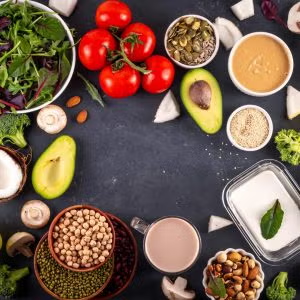
Introduction to Qoghundos and Its Ingredients
Qoghundos is a traditional dish that holds cultural significance in various regions, especially in Central Asia. This hearty meal is often prepared during special occasions and gatherings, symbolizing hospitality and community. The preparation of Qoghundos typically involves a blend of carefully selected ingredients, each contributing unique flavors and nutritional value. Understanding these components lays the groundwork for exploring their health benefits.
The common ingredients in Qoghundos include meat—often lamb or beef—which provides a rich source of protein. This animal protein is essential for muscle development and overall bodily functions. Additionally, the dish incorporates a variety of vegetables, such as onions and carrots, which not only enhance flavor but also add important vitamins and minerals. These vegetables are renowned for their antioxidant properties, which contribute positively to one’s health.
Another key element is rice, a staple carbohydrate that serves as a foundation for the meal. Rice offers energy and is often regarded as a wholesome ingredient when whole grain varieties are chosen. Moreover, the inclusion of spices—such as cumin and coriander—adds depth to the dish while offering potential health benefits related to digestion and blood sugar regulation.
In terms of preparation, Qoghundos is typically cooked in a large pot, allowing for easy sharing among family and friends. The communal nature of this dish not only fosters togetherness but also highlights the tradition behind Qoghundos. As we delve deeper into whether the ingredients in Qoghundos are good for health, it is essential to understand their cultural context along with their nutritional profiles. The combination of meat, vegetables, rice, and spices makes this dish not only a culinary favorite but also a subject of interest when evaluating dietary benefits.
Nutritional Breakdown of Qoghundos Ingredients
Qoghundos, a traditional dish celebrated in various cultures, boasts an array of ingredients that provide nutritional benefits essential for human health. The primary components of Qoghundos typically include grains, vegetables, legumes, and spices. Each of these ingredients contributes uniquely to the overall nutritional profile, enriching the dish with essential macronutrients such as carbohydrates, proteins, and fats, alongside vital micronutrients like vitamins and minerals.
Starting with grains, often used in Qoghundos, they are primarily a source of carbohydrates, which serve as the body’s main energy source. Whole grains, such as brown rice or barley, are particularly beneficial as they are rich in dietary fiber, aiding digestion and promoting a healthy gut. Furthermore, these grains provide essential B-vitamins, important for metabolic processes.
The inclusion of vegetables in Qoghundos not only enhances the flavor but also significantly boosts its nutritional value. Vegetables like bell peppers, carrots, and leafy greens are rich in vitamins A and C, which are crucial for immune function and skin health. Additionally, they offer a range of antioxidants that can help combat oxidative stress in the body.
Legumes, such as lentils or chickpeas, are another staple in Qoghundos, offering a high protein content that is crucial for muscle repair and growth. They are also a good source of iron and folate, vital for maintaining healthy blood levels and supporting new cell formation, respectively. The healthy fats found in various spices, such as olive oil or sesame oil, add essential fatty acids that promote heart health.
In summary, the nutritional value of Qoghundos ingredients is substantial, offering a balanced combination of macronutrients and micronutrients. Understanding the health benefits tied to these components can guide one in recognizing the positive contributions these ingredients make toward a balanced diet.
Health Benefits of Consuming Qoghundos
The ingredients in Qoghundos have garnered attention for their numerous health benefits, contributing to both physical wellness and overall nutritional value. This traditional dish is primarily composed of wholesome staples that offer a variety of essential nutrients. One of the key components often found in Qoghundos is grain, which is rich in fibers that promote digestive health, aiding in regularity and reducing the risk of gastrointestinal issues.
Moreover, the proteins present in the ingredients can play a crucial role in muscle repair and growth, making Qoghundos an excellent option for those engaged in physical activities. Nutritionists suggest that incorporating such protein-rich foods can help in maintaining adequate energy levels throughout the day, especially when combined with other nutrient-dense elements found in the dish.
Another significant benefit is related to the immunity-boosting properties of specific ingredients in Qoghundos. Many of these components are packed with vitamins and minerals, such as vitamin C and zinc, which are vital for a robust immune response. By consuming Qoghundos, individuals may enhance their body’s capacity to fight off infections and illnesses. Experts emphasize the importance of dietary variety, and how inclusion of Qoghundos can support a balanced diet that meets dietary needs.
Furthermore, the wide array of spices and herbs often included in Qoghundos adds not only flavor but also potential health benefits, such as anti-inflammatory effects and enhanced metabolism. The synergy between the ingredients ensures that the body receives a comprehensive range of nutrients. In consideration of the health benefits linked to the ingredients in Qoghundos, it becomes evident that this dish can be a valuable addition to one’s dietary regimen, contributing positively to health and well-being.
Potential Drawbacks and Considerations
While Qoghundos can provide various health benefits, it is essential to recognize potential drawbacks or concerns associated with their consumption. One significant consideration is the possibility of allergies. The ingredients in Qoghundos may include nuts, grains, or other allergens that could provoke reactions in individuals with sensitivities. Therefore, it is advisable for those with known food allergies to carefully scrutinize the components of Qoghundos before indulging.
Additionally, the caloric content of Qoghundos warrants attention. While they can be nourishing, they may also be high in calories if consumed in excess. Each serving of Qoghundos can contribute a substantial number of calories to an individual’s daily intake, particularly when considering portion sizes and accompanying ingredients. As such, those monitoring their caloric consumption should approach the enjoyment of Qoghundos with awareness and moderation.
Moderation is indeed a key factor when it comes to enjoying the ingredients in Qoghundos. Overconsumption, even of nutritious foods, can lead to imbalances within one’s diet. It’s essential to couple Qoghundos with a diversity of other food items from various food groups to maintain nutritional balance. Individuals should evaluate their dietary needs, physical activity levels, and overall health goals to determine how Qoghundos can fit into their eating patterns.
Lastly, incorporating Qoghundos within a balanced diet can ensure that one can enjoy their cultural significance and taste without compromising health. While Qoghundos can deliver beneficial nutrients, recognizing personal dietary restrictions and caloric limits is paramount. Those considering adding Qoghundos to their menu should keep these considerations in mind to leverage their potential benefits while minimizing any drawbacks.
About the Author