Introduction to Ostropologe
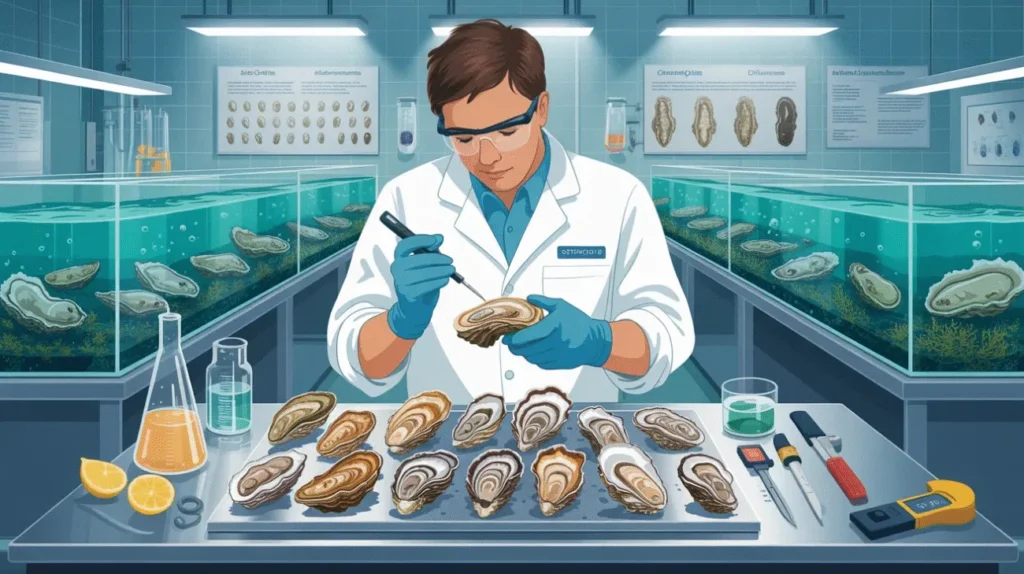
Ostropologe is an emerging field that focuses on the intricate study of specific biological and ecological processes related to organisms and their environments. While the term may be unfamiliar to many, its significance in contemporary research cannot be overstated. As our understanding of ecosystems and biodiversity continues to evolve, ostropologe plays a crucial role in unraveling the complexities of life sciences.
The historical context of ostropologe can be traced back to the early days of biological research, where scientists began to categorize and analyze living organisms. Over time, this discipline has expanded, incorporating insights from various fields such as ecology, genetics, and evolutionary biology. The interdisciplinary nature of ostropologe facilitates a broader understanding of how different biological systems interact, thus aiding researchers in addressing pressing environmental issues, including climate change and habitat loss.
As the world grapples with rapid ecological challenges, the relevance of ostropologe becomes increasingly clear. Its methodologies allow for the integration of qualitative and quantitative data, fostering a holistic perspective of ecosystems. This approach not only enhances scientific inquiry but also contributes to conservation efforts and sustainable management practices.
Furthermore, ostropologe encourages collaboration among scientists, policymakers, and conservationists, creating a platform for sharing knowledge and strategies. By working together, stakeholders can identify critical areas for research and intervention, ultimately informing better decision-making processes. This collective effort underscores the importance of ostropologe in building a sustainable future.
In summary, ostropologe represents a vital area of study within the biological sciences, bridging historical knowledge with modern research needs. As the field continues to develop, it will prove essential in understanding the many factors influencing life on Earth today.
Core Principles and Methodologies in Ostropologe
Ostropologe, as a distinctive field of research, is anchored by several core principles that guide practitioners in their pursuit of knowledge and understanding. The foundational principles include a rigorous commitment to empirical research, interdisciplinary collaboration, and a focus on the socio-cultural context of the subjects under investigation. These principles ensure that the outcomes of ostropologe studies are grounded in observable realities while accommodating the complexities inherent in human behavior and social systems.
Methodological diversity is one of the hallmarks of ostropologe. Researchers often employ both qualitative and quantitative techniques to gather and analyze data. Qualitative approaches, such as ethnography or in-depth interviews, are pivotal in understanding the nuances of human experiences and interactions. These methods allow practitioners to explore how individuals perceive their environments and construct meaning from their social interactions. Examples of this can be seen in case studies where ostropologe professionals engage with communities to collect narratives that reveal underlying social dynamics.
On the other hand, quantitative methodologies, including surveys and statistical analysis, enable researchers to identify patterns and correlations within larger populations. By employing tools such as regression analysis or experimental designs, ostropologe scholars can provide robust insights that complement qualitative findings. A case in point is the utilization of mixed-methods research in ostropologe, where scholars might combine survey data with qualitative interviews to attain a holistic view of the subject matter being studied.
In summary, the principles and methodologies of ostropologe are integral in building a comprehensive understanding of social phenomena. By effectively combining qualitative and quantitative techniques, practitioners can develop a richer, more nuanced comprehension of the complexities within the field. This methodological richness not only enhances the academic discourse but also contributes significantly to practical applications of ostropologe findings in various sectors.
Applications and Impact of Ostropologe
Ostropologe, the study of human behavior and social structures, finds diverse applications across various sectors, greatly influencing both theory and practice. In the field of education, ostropologe provides insights into learning processes and social interactions among students. By understanding the complexities of group dynamics and individual behaviors, educators can develop tailored teaching strategies that foster inclusive environments and enhance student engagement. This application is crucial in addressing the challenges of modern classrooms, where diverse backgrounds contribute to varied learning experiences.
Environmental science also benefits significantly from ostropologe’s rich insights. Researchers in this field utilize knowledge derived from ostropologe to analyze human impact on ecosystems, guiding policies aimed at sustainability. By studying patterns of resource consumption and community engagement, policymakers can create effective conservation strategies that resonate with local populations. Understanding societal values and behaviors related to environmental stewardship helps in promoting initiatives that are both effective and culturally sensitive, thereby ensuring broader environmental compliance and commitment.
In the realm of social research, ostropologe offers essential frameworks for examining cultural phenomena and societal trends. Its methodologies allow researchers to uncover underlying social issues, informing public policy and community initiatives. For instance, the study of social behavior related to health can lead to improved healthcare strategies, addressing disparities in access and outcomes. By integrating ostropologe into social research, stakeholders gain a comprehensive understanding of how societal factors influence individual choices, ultimately enriching our grasp of collective human behavior.
Overall, the impact of ostropologe is profound, as it not only informs academic research but also shapes practical applications across various sectors. Its relevance in addressing contemporary challenges underscores the potential for future advancements in this dynamic field.
Future Trends in Ostropologe
The field of ostropologe is on the cusp of significant evolution, driven by technological advancements and interdisciplinary collaboration. As researchers delve deeper into the complexities of this domain, several trends are becoming increasingly apparent. One of the most notable trends involves the integration of artificial intelligence and machine learning into research methodologies. These technologies are enabling scholars to analyze vast datasets more efficiently, uncovering patterns that were previously unattainable through traditional means. The application of these technologies is set to revolutionize how ostropologe is studied, allowing for more nuanced and informed conclusions.
Moreover, the rise of big data analytics is poised to impact ostropologe significantly. The ability to collect and process large volumes of information allows researchers to examine variables at an unprecedented scale. This capability not only enhances the accuracy of findings but also offers new insights into existing theories, fostering a more comprehensive understanding of the field. As researchers embrace these tools, they will be able to address long-standing questions and develop innovative frameworks that can advance the study of ostropologe.
In addition to these technological advancements, there is a growing interest in collaborative approaches within the field. Scholars are increasingly recognizing the importance of interdisciplinary research that draws from various fields such as biology, ecology, and even sociology. This collaborative spirit can lead to holistic perspectives and the development of integrated solutions to complex problems faced in ostropologe. The future also presents challenges, such as the need for ethical considerations in research and data management. As these trends unfold, practitioners in ostropologe are encouraged to engage with these emerging opportunities, fostering an environment ripe for innovation and growth.
About the Author